
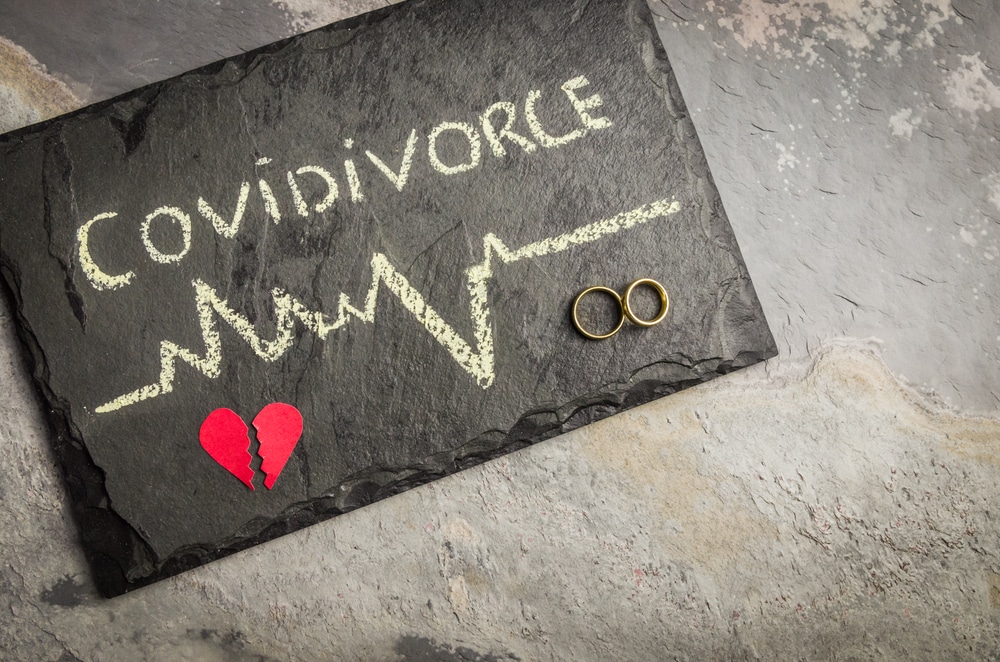
The COVID-19 pandemic permanently shifted how many families across Illinois view their relationships, parenting roles, and financial responsibilities. As divorce attorneys serving clients throughout the state, we witnessed a sharp rise in divorce filings during and after the pandemic. Couples who had once functioned smoothly found their relationships tested by job losses, health concerns, e-learning, and the pressures of constant togetherness during lockdown. Those stressors changed not just the volume of divorce cases, but also the nature of the disputes involved.
More cases involved child custody disagreements, emergency parenting time issues, and disputes over virtual schooling or relocation. The pandemic didn’t just increase conflict—it revealed long-standing communication breakdowns and financial instability. These changes have reshaped how Illinois courts and attorneys approach divorce in a post-pandemic world.
Under Illinois law, the divorce process is governed by the Illinois Marriage and Dissolution of Marriage Act (750 ILCS 5/). During the pandemic, many families filed for divorce citing irreconcilable differences, which remains the sole ground for divorce in Illinois since the state eliminated fault-based divorce.
One of the biggest shifts involved parenting time and decision-making responsibilities. Courts focused more than ever on the “best interests of the child” standard under 750 ILCS 5/602.7. Judges had to weigh health risks, remote learning capabilities, and whether parents could co-parent effectively under constantly changing conditions.
Financial stress was also a major issue. Many spouses sought modifications to child support and maintenance obligations under 750 ILCS 5/510, arguing that job losses or reduced hours impacted their ability to meet court-ordered payments. Courts responded by analyzing whether a job loss was temporary, voluntary, or permanent in determining whether to grant relief.
These legal principles remain in place, but the way courts interpret them is evolving. Family dynamics have changed, and courts now take into account pandemic-related hardships when hearing cases involving parenting and financial disputes.
We’ve noticed several consistent trends among clients seeking divorce in the years following the initial COVID lockdowns:
These changes reflect a permanent shift in how people approach family law in Illinois. Divorce is no longer seen as a failure, but as a tool for reestablishing stability when the relationship no longer functions.
If you are considering divorce in Illinois and have children, it is important to understand that courts now expect both parents to support education, emotional well-being, and healthcare choices in ways that align with current realities. Courts are cautious about parents who attempt to use health concerns or remote schooling preferences to restrict the other parent’s access.
Under 750 ILCS 5/602.5, courts allocate decision-making authority based on demonstrated cooperation and each parent’s ability to make thoughtful, child-focused decisions. If one parent uses the pandemic to limit the other’s role without justification, it may backfire in court.
We encourage families to document any agreements, keep records of their children’s education, and focus on shared parenting rather than conflict. Illinois law focuses on creating parenting plans that promote stability, predictability, and equal access for both parents.
Under 750 ILCS 5/510, a person can ask the court to modify their support obligations due to a substantial change in circumstances, such as a job loss. However, the court will consider whether the loss was voluntary or temporary. If your ex stopped paying without the court’s permission, they may still owe the full amount unless a judge modifies the order.
You can request allocation of sole decision-making responsibilities under 750 ILCS 5/602.5 if you can prove that joint decision-making is not in the best interest of the child. Courts may consider whether the other parent consistently makes informed and child-focused decisions.
Yes. Many counties in Illinois continue to allow remote hearings and case management conferences via Zoom. This has made the process more accessible and reduced court delays. However, some counties may require in-person appearances for final hearings or contested matters.
We saw an increase in emergency motions where parents tried to suspend parenting time due to exposure concerns or travel restrictions. Courts now expect parents to be flexible, cooperative, and child-focused when it comes to pandemic-related changes in parenting schedules.
Yes. Illinois courts provide self-help resources, and court clerks can help with forms. However, family law cases are complex. Even if you start the process on your own, you may want legal advice before signing any parenting agreement or financial settlement.
Yes. Parenting plans are not permanent. Under 750 ILCS 5/610.5, a parent can request modification after two years or earlier if there is a significant change in circumstances. The pandemic’s long-term impact on school, health, or family structure may qualify.
Possibly. Some uncontested divorces are moving more quickly due to online filing and remote status hearings. However, contested matters still take time, especially when child custody, support, or high-value assets are involved.
At Gordon & Perlut, LLC, we help clients across Illinois deal with the real-life impact of divorce in a post-COVID world. Whether your concerns involve parenting time, school-related disagreements, or financial hardship caused by job loss, we are here to support your legal needs with experience and care.
We offer a free phone consultation to help you understand your rights and what steps make sense for your family.
Contact our Chicago divorce attorneys at our Chicago office at 312-360-0250 or our Skokie office at 847-329-0101 to arrange a free consultation. We proudly represent clients across the entire state of Illinois.
